Who is actually in charge of your technology?
Most businesses have someone managing their IT. Far fewer have someone leading it. I have yet to meet a business owner who understood the difference until they needed it.
If I asked your team who is responsible for IT in your business, you would get an answer quickly. Your IT support company, probably. Maybe an IT manager.
But ask a different question: who is responsible for making sure your technology is actually serving the business? Who is looking at what you spend and whether it is worth it? Who is thinking about where your IT needs to be in two years' time, not just keeping today's systems running?
For most SMEs, the honest answer to those questions is nobody.
Two jobs that are nothing like each other
There is a version of "IT leadership" that is really just reactive support with a better job title. And there is the real thing. They look similar from the outside. They are completely different in practice.
Operational IT management , what your IT support company does , is fundamentally reactive. Something goes wrong, they fix it. Software needs updating, they update it. Staff need help, they help. This is valuable. It is also not strategy.
Strategic IT leadership is forward-looking and independent. It is asking: is our current setup right for where the business is going? Are we spending the right amount on the right things? What are our real risks? Are we being sold things we do not need? Should we be running things differently?
The first job keeps the lights on. The second determines whether your technology is an asset or just a cost.
Why your IT support company cannot do both
Your IT support company is probably doing a decent job of operational management. That is what they are built for.
The problem is structural. Strategic IT leadership requires someone who is willing to tell you that your current IT support contract is not good value. That the product your supplier is recommending is not right for you. That you are overpaying. An IT support company cannot do any of those things without undermining their own position.
I want to be clear: this is not a criticism of IT support companies. Most of them are run by decent people trying to do a good job for their clients. The problem is not intention , it is structure. When the same organisation is both providing your IT and advising on your IT strategy, those two roles will eventually pull in opposite directions.
Signs you have management but not leadership
The gap usually becomes visible in a handful of recurring situations:
- IT costs go up every year and nobody is confident enough in the detail to question them
- Major IT decisions are made reactively, when something breaks or a contract forces the issue
- Your IT support company recommends something and you approve it without a real basis for evaluating whether it is the right call
- Nobody at board level is accountable for whether technology is serving the business
- When something goes wrong, you are the one making every decision because nobody else has the full picture
None of this means your IT support company is failing you. It means operational management is all you have, and operational management was not designed to answer these questions.
What the fractional model looks like in practice
For a large organisation, strategic IT leadership is a full-time IT director on a significant salary. For most SMEs, that cost is hard to justify.
The fractional model exists because most SMEs do not need a full-time IT director. They need the same quality of thinking applied to their situation, on a part-time basis, from someone with no commercial interest in what they decide to buy.
In practice, that means someone who understands your business and your IT setup, reviews your spending and contracts, tells you where you are exposed and where you are wasting money, and helps you make decisions with confidence rather than guesswork. They come to board meetings when IT is on the agenda. They are on your side , not your supplier's.
"IT support fixes the problems you have. IT leadership prevents the problems you are heading towards , and tells you when the problems you are fixing are not the right ones."
If you want to understand what the role actually involves before that, I have covered the vCIO model in detail here. Or if you are ready to talk through your situation, I am happy to have that conversation.
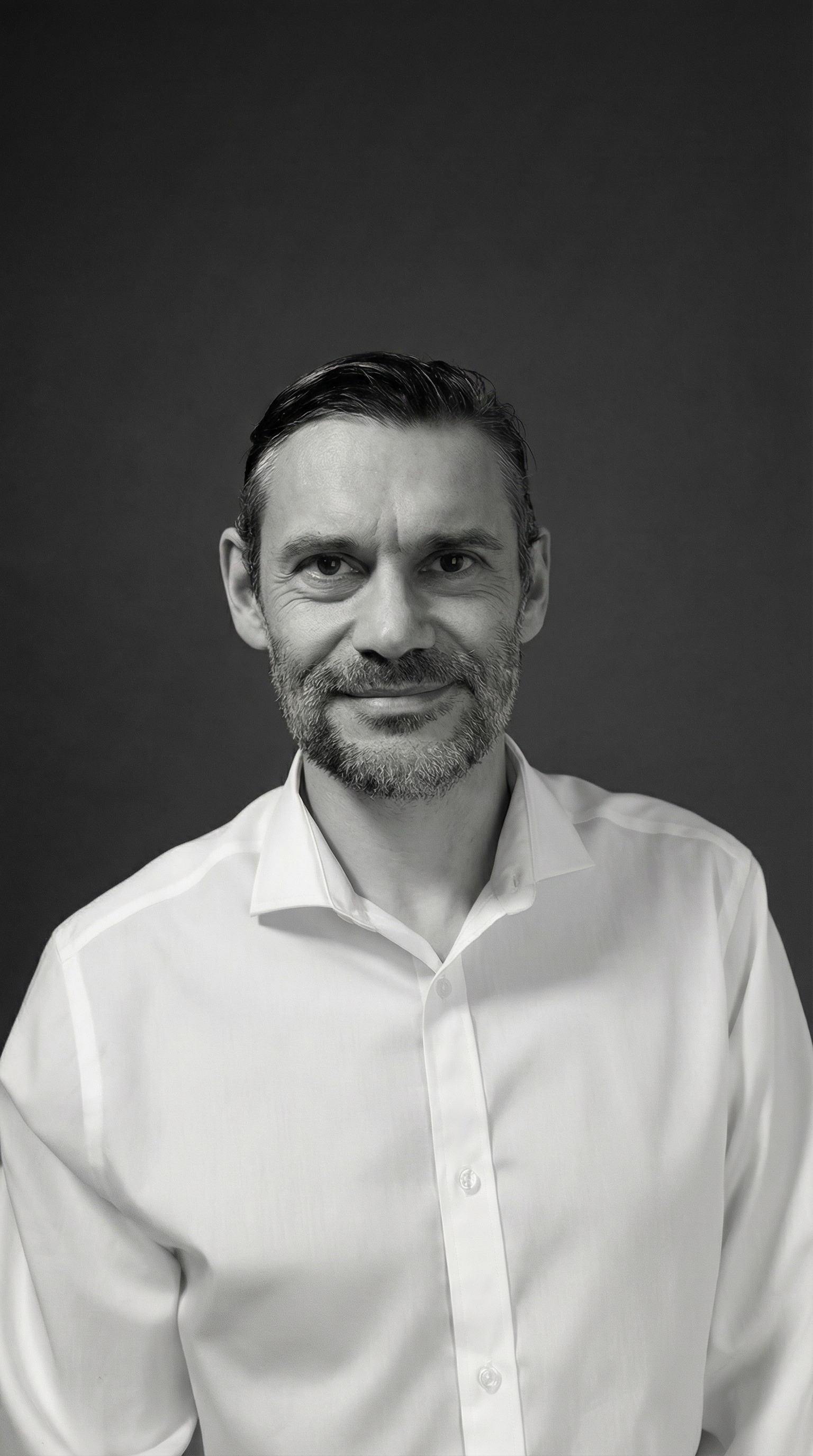
Dave Lane
Fractional IT Director
25 years working across IT infrastructure, cyber security, risk, and governance. I work with business owners and MDs as their independent IT director. No vendor commissions. No managed services to sell.
Sound familiar?
If any of this resonates, let's have a conversation. No sales process. Just an honest conversation about what you're dealing with.